
What is Rucking?
What Is Rucking?
Rucking is simply walking with weight—that’s it.
You’ve probably done it without thinking: carrying kids, groceries, backpacks, diaper bags, work gear, or luggage through an airport. Rucking just gives that everyday movement a little intention.
At its core, rucking is a low-impact blend of walking, strength, and endurance. It’s easy to scale, easy on the joints, and fits naturally into real life. You choose the pace. You choose the weight. You choose the conversation.
While rucking as a fitness activity has roots in the military, this club does not. Here, rucking is about showing up, moving together, and building strength—physically and socially—one ruck at a time.
We ruck to get outside, clear our heads, talk while we walk, and become a little more capable than we were yesterday. No drills. No shouting. No pressure. Just weight, movement, and community.
The Physical Benefits of Rucking
Burn Calories
Rucking burns far more calories as walking. Check out our Calorie Calculator to learn more about how weight, pace, and terrain change how many calories you could burn.
Build Muscle
Rucking actively engages the legs, glutes, hips, back, shoulders, and core. Unlike running, rucking is a full-body workout that will actually make you stronger with every step.
Zone 2 Aerobics
Research tells us that we don’t burn fat by going at maximum intensity. Rucking makes it easier to maintain 60-70% max HR–zone 2–at which fat oxidation is maximized.
Stronger Bones
Everyone loses bone density as they age. Rucking improves bone density and can prevent or alleviate the consequences of osteoporosis.
Save your joints
Running places about 8x body weight on your joints with every stride. Rucking, which is mechanically the same as walking, only places about 2.7x the weight of you plus the ruck. Over thousands of steps, that's a big difference.
The Gear
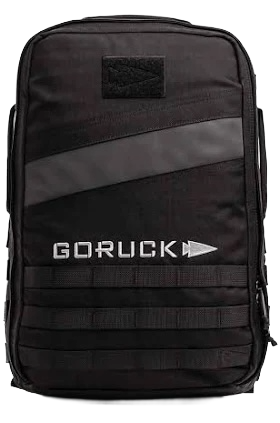
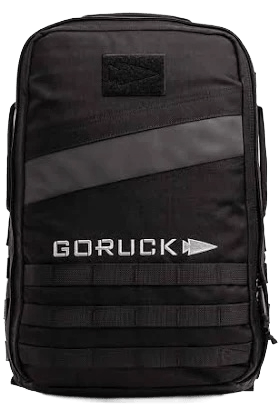
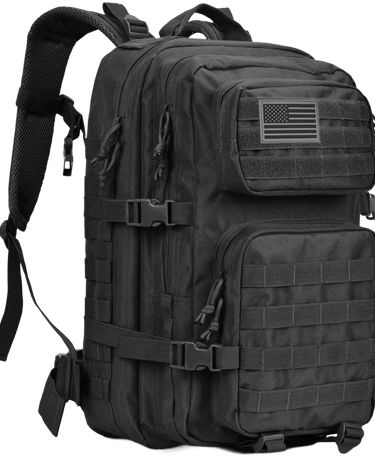
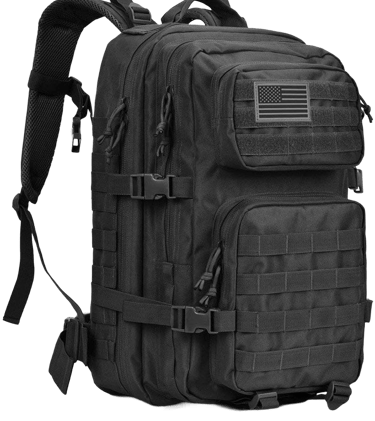
Mil. Style Assault Packs
Rucking Packs
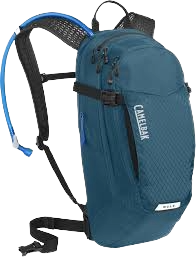
Any Pack Works
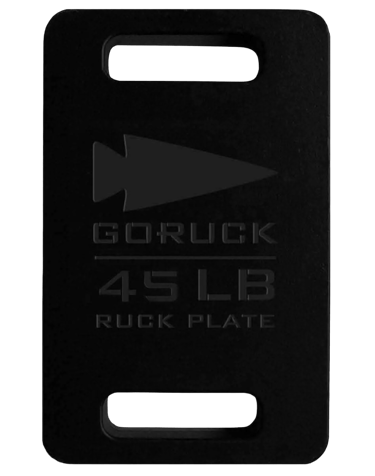
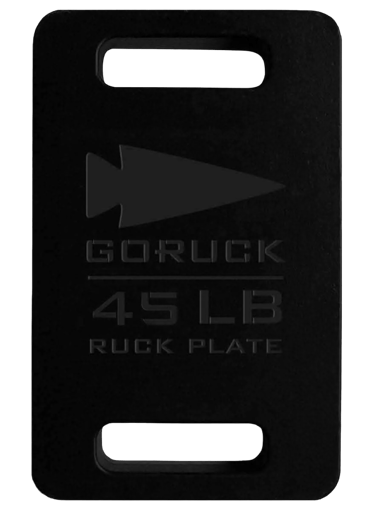
Rucking Weights
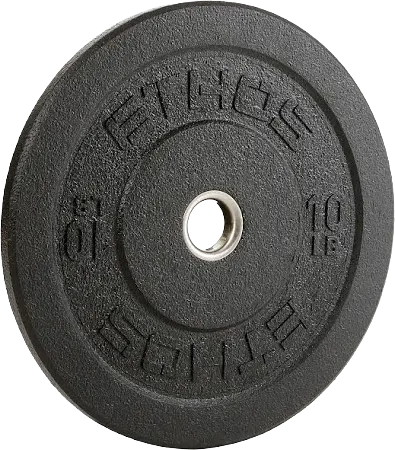
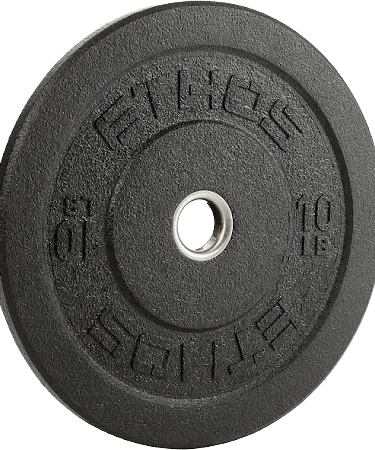
Standard Weights
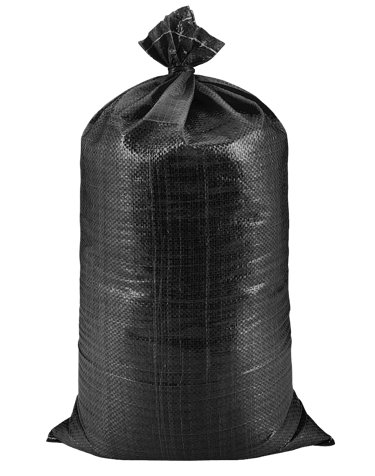
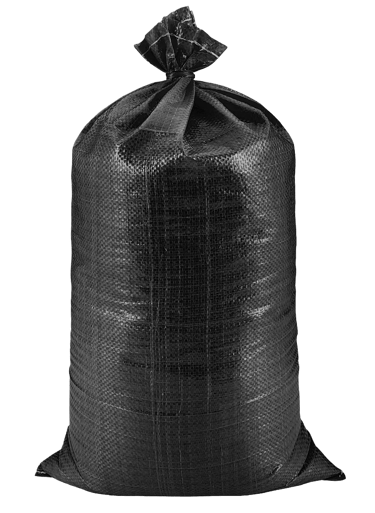
Sandbags